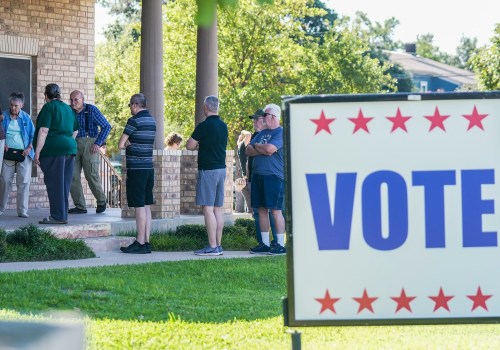
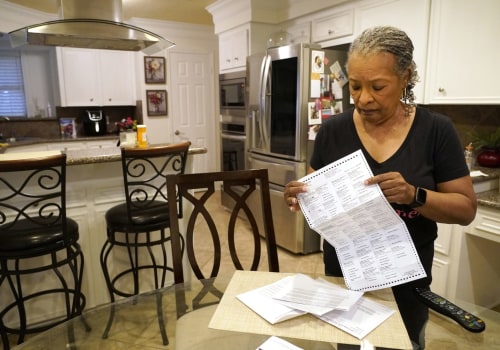
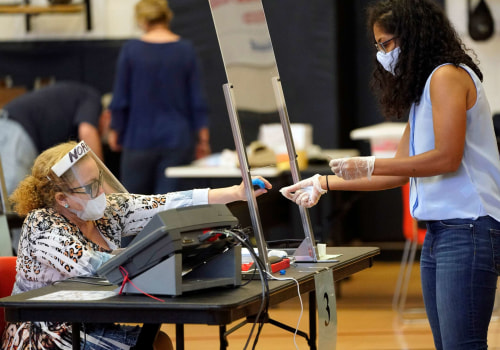
When discussions about voter participation take place, attention is often focused on registration drives, election laws, and public awareness campaigns. However, one factor that receives far less recognition is infrastructure planning. In Travis County, where population growth continues to reshape communities, transportation systems, road networks, public facilities, and neighborhood development all play a significant role in determining how easily residents can access voting locations. Infrastructure decisions made years before an election can directly influence whether voters experience a smooth and convenient process or face unnecessary obstacles. As communities expand, planners and local officials must consider how public investments affect civic engagement and democratic participation.
Transportation Access and Polling Location Availability
Reliable transportation remains one of the most important components of voter accessibility. Residents who live near well-maintained roads, public transit routes, and accessible pedestrian pathways often find it easier to reach polling stations. Conversely, individuals in areas with limited transportation options may encounter longer travel times and greater inconvenience when attempting to vote. In a rapidly growing county like Travis County, strategic infrastructure investments can help ensure that new residential developments are adequately connected to civic facilities. Road improvements, traffic management systems, and expanded transit services can significantly reduce barriers for voters, particularly during busy election periods when polling locations experience high traffic volumes.
Growth, Development, and Equitable Access
Population growth creates unique challenges for election planning. New housing developments can quickly alter the distribution of residents, requiring adjustments to polling locations and public service facilities. Without careful coordination between urban planners and election officials, some communities may become underserved. Infrastructure planning helps address these concerns by identifying areas where future population increases may create demand for additional voting sites or improved transportation access. Thoughtful development strategies ensure that residents across all neighborhoods have reasonable access to civic resources, regardless of socioeconomic status or geographic location.
Supporting Public Services Through Efficient Infrastructure
Infrastructure planning extends beyond roads and public transit. Utility services, communication systems, emergency preparedness measures, and facility management all contribute to the overall functionality of election operations. Well-designed public infrastructure supports the smooth operation of polling stations by ensuring reliable power, internet connectivity, and safe building access. In many cases, the same logistical planning principles used in commercial operations can benefit public services. For example, businesses that depend on bulk fuel delivery for fleets often emphasize route efficiency, resource allocation, and operational reliability—concepts that similarly influence how government agencies coordinate transportation, staffing, and facility readiness during elections.
Building a More Accessible Future for Voters
As Travis County continues to evolve, infrastructure planning will remain a critical yet often overlooked factor in voter accessibility. Investments in transportation networks, public facilities, and community development have the potential to strengthen civic participation by making voting more convenient and inclusive. Policymakers, planners, and community leaders who recognize the relationship between infrastructure and democratic engagement can create environments where residents face fewer obstacles when exercising their right to vote. By integrating voter accessibility considerations into long-term planning efforts, Travis County can support a stronger and more representative electoral process for future generations while ensuring that every community remains connected to the democratic system.